

For many, the mention of the “Camino de Santiago” conjures images of the crowded trails of the Camino Francés, where the search for solitude often feels like a race for a bunk bed. But there is another path. The Camino Portugués has emerged as the soulful, versatile alternative—a route that balances ancient heritage with the refreshing mist of the Atlantic.
Whether you are seeking the quiet of a rural forest or the vibrant energy of a coastal boardwalk, the Portuguese Way offers a choose-your-own-adventure style of pilgrimage. However, don’t let the beauty fool you; the “Way” has its own set of challenges, from the relentless Portuguese cobblestones that seem to have a personal vendetta against your arches to the “weird vibes” and barking dogs of the industrial outskirts.

1. The Dilemma of The Starting Point
Choosing where to begin is the most critical logistical decision you will make. The three official starting points—Lisbon, Porto, and Tui—each offer a drastically different “spirit of the Way.”
- Lisbon: The Solitary Thru-Hike. This 600km+ trek is a test of grit. It is significantly harder than the Francés due to extensive road walking, high heat, and a lack of dedicated pilgrim infrastructure south of Porto.
- Porto: The “Sweet Spot.” This is the most popular choice for a reason. Covering roughly 240km to 280km, it takes 10 to 14 days and offers the best balance of camaraderie and scenery.
- Tui: The Accessible Sprint. Starting at the Spanish border, this 119km stretch is the favorite for those seeking the “last 100km” to earn the Compostela.
| Route Variant | Start Point | Distance | Duration | Difficulty |
|---|---|---|---|---|
| Central Route | Porto | 242 km | 10–14 Days | Moderate |
| Coastal Route | Porto | 274 km | 10–14 Days | Moderate |
| Senda Litoral | Porto | 280 km | 10–14 Days | Easy/Mod |
| Full Route | Lisbon | 613+ km | 25–30 Days | Challenging |
| Last 100km | Tui | 119 km | 5–7 Days | Easy/Mod |
(Scroll right to view full table on mobile)
2. The Legend of the Traslatio – A Camino by Sea
Perhaps the best-kept secret of the Portuguese Way is the Variante Espiritual, total distance 76km, 3 stages. This detour branches off after Pontevedra and includes the Traslatio, the only “official” Camino stage completed by boat.
The 26.5km journey from Vilanova de Arousa to Pontecesures retraces the legendary voyage of Saint James’ remains. It costs approximately €30 per person and takes about 1.5 hours. This route provides a special Traslatio stamp for your credential, recognized by the Pilgrim’s Office. On arrival at Padrón you get back on the traditional route for the last stage to Santiago.
3. Debunking the “Flat” Coastal Myth
A common misconception is that the Coastal route is a flat, easy stroll. While the sea views are stunning, elevation data reveals a surprising reality: the Coastal Route features a cumulative elevation gain of 3,604 meters—actually higher than the Central route’s 3,414 meters.
- The Coastal Route: Expect long stretches of paved road walking plus more hills than the travel brochures suggest.
- The Senda Litoral: While this follows the shoreline on wooden boardwalks (passadiços), the truth is that 58.5% of the path is still road walking.
4. Where Your Soul (and Body) Rests
The lodging landscape shifts as you move north:
- Social Albergues: The heart of the Way. Try the Albergue de Peregrinos do Porto for a classic experience.
- Paradores: Luxury historic hotels, such as the Parador in Tui, perfect for recovery.
- Municipal Albergues: Basic, social, and budget-friendly (around €12–€15).
- Private Options: Private albergues, hostels, and Casas Rurales (beautifully restored country homes in rural Galicia) offer more comfort, good food and can often be booked in advance.
- Note: Where you can book in advance.
- Budget: Plan for €35–€60 per day as a budget pilgrim, or €80–€150 for a “comfort” experience.
5. Standout Sights: From Templar Castles to Thermal Springs
- Convento de Tomar: Visit the Convent of Christ, the former headquarters for the Knights Templar.
- Tui: Explore the fortress-like Cathedral of Santa Maria.
- Caldas de Reis: Soak your feet in the public thermal fountains (Roman roots!).
- Padrón: The symbolic arrival point of the Apostle’s remains.
6. Practical Tips
☀️ Best Time to Walk: April–May and September–October offer pleasant temperatures and fewer crowds. Avoid July and August due to intense heat and crowded beaches.
🥾 Packing and Shoes: Portuguese cobblestones are notoriously hard on the feet. Many experienced pilgrims recommend trekking sandals to prevent overheating and blisters. Carbon fiber trekking poles are also highly recommended for stability and lightness.
🎒 Luggage Transfer: See FAQ number 5 below.
🛡️ Safety: The Portuguese Way is generally considered very safe for solo female pilgrims. Most hostels offer mixed or female-only dorm options.
7. Frequently Asked Questions
1) Camino Portugues Central vs Coastal route differences, which one?
| Feature | Central Route | Coastal Route |
|---|---|---|
| Pros | Rich history, Roman roads, strong pilgrim community, and authentic rural villages. | Ocean horizons, flat boardwalks, cooling sea breezes, and fresh seafood. |
| Cons | Steep climbs (Labruja mountain), brutal cobblestones, and higher inland heat. | Less shaded forest, potential for strong Atlantic winds, and feels more touristic. |
Decision Factors
The Central Route
Choose this path for the classic pilgrimage atmosphere. It is best for those who enjoy forest scenery, historic architecture, and the social experience of walking with a larger community of pilgrims.
The Coastal Route
Choose this path for ocean views and flatter terrain. It is ideal for those walking in peak summer who need the breeze, or for those who prefer the modern comfort of coastal infrastructure.
The Spiritual Variant (Variante Espiritual)
- One of the most popular decisions pilgrims can take occurs just after Pontevedra. Both the Central and Coastal routes meet in Pontevedra; from there, you can choose to follow the traditional path or take the Spiritual Variant.
- This detour takes you through the stunning Monastery of Armenteira and features the Translatio the only sea-river Way of the Cross in the world, where you arrive at Padrón by boat. At Padrón you rejoin the traditional way for the last stage to Santiago.
2) Walking the last 100km of the Portuguese Camino from Tui?
Does Tui satisfy the 100km Rule?
Yes. To earn the Compostela (the official certificate of completion), the Cathedral of Santiago requires pilgrims to walk at least the last 100km of any recognized route. Tui is located approximately 118km from Santiago de Compostela, making it the most popular starting point for those who want to complete the pilgrimage within a one-week holiday window while still qualifying for the certificate.
The 6-Day Itinerary: Tui to Santiago
| Day | Route Stage | Distance (km) |
|---|---|---|
| Day 1 | Tui to Redondela | 31.5 km |
| Day 2 | Redondela to Pontevedra | 19.5 km |
| Day 3 | Pontevedra to Caldas de Reis | 21.1 km |
| Day 4 | Caldas de Reis to Padrón | 18.6 km |
| Day 5 | Padrón to Santiago de Compostela | 25.2 km |
Pro-Tip: Because you are starting at the minimum distance, the Pilgrim’s Office is very strict about stamps. You must collect two stamps per day in your Credencial (Pilgrim Passport) to prove you walked the full distance from Tui.
While the 5-stage split above is the standard, many pilgrims prefer to stop in O Porriño on the first day to break up the 31km walk, which is one of the more industrial and challenging stretches of this section.
3) Best time of year to walk Portuguese Coastal Camino?
The Best Time: May, June, or September
For most pilgrims, the “Sweet Spot” for walking the Coastal Camino is late spring or early autumn. During these months, you will enjoy long daylight hours and mild temperatures without the overwhelming crowds of peak summer. September is particularly recommended, as the Atlantic waters have warmed up enough for a post-walk swim in towns like Baiona or San Simón.
Spring (April – May)
The landscape is lush and green with blooming wildflowers. While temperatures are perfect for walking, keep a rain poncho handy for spring showers.
Summer (June – August)
The sea breeze prevents the scorching heat found inland. This is the busiest time; you must book your accommodation well in advance.
Autumn (September – October)
Expect stable weather and thinner crowds. October starts the transition to the rainy season, so early autumn is the better choice.
Coastal Route: Monthly Averages
| Month | Avg Temp (°C) | Avg Temp (°F) | Rainy Days |
|---|---|---|---|
| April | 14°C | 57°F | 12 |
| May | 17°C | 63°F | 10 |
| June | 20°C | 68°F | 6 |
| July | 22°C | 72°F | 3 |
| August | 23°C | 73°F | 4 |
| September | 21°C | 70°F | 7 |
| October | 18°C | 64°F | 11 |
Note: Galicia’s weather is famously changeable. Even in the height of summer, always be prepared for a sudden Atlantic mist or “Galician drizzle” (poalla).
4) Camino Portugues Spiritual Variant itinerary and boat trip?
| Stage | Route | Distance | Difficulty | Description |
|---|---|---|---|---|
| 1 | Pontevedra to Armenteira | 23 km | Moderate / Hard | Coastal path through Combarro followed by a steep 7km ascent to the Monastery of Armenteira. |
| 2 | Armenteira to Vilanova de Arousa | 24 km | Moderate | The “Stone and Water” route, descending past ancient mills and vineyards. |
| 3 | Vilanova to Padrón (Boat) | 28 km | Very Easy | The Traslatio river journey passing the 17 stone crosses of the Ulla estuary. |
- Note 1 Because departures are highly dependent on tide times, it is essential to book at least 24–48 hours in advance. Most boats depart early in the morning. You can get tickets at:
- Note 2 Upon arriving in Padrón and disembarking the boat, you continue along the traditional Portuguese Way for the final stage to Santiago de Compostela.
5) Luggage transfer services Camino de Santiago Portugal?
Top Luggage Transport Providers
| Service | Best For | Typical Cost | Website |
|---|---|---|---|
| Correos (Paq Mochila) | Reliability & Full Coverage | €7–€9 per stage | elcaminoconcorreos.com |
| Tuitrans | Local expertise (Porto to Santiago) | €7–€8 per stage | tuitrans.com |
| Pilbeo | Easy app-based booking | ~€7–€10 per stage | pilbeo.com |
| Top Santiago | Portuguese-based support | €7–€9 per stage | topsantiago.com |
How the Service Works
- Book in Advance: You must book by 8:00 PM the night before at the latest. Most pilgrims book their entire trip online a few weeks before starting.
- Tag Your Bag: You will receive a label (or you can write your own). It must include your Name, Booking Reference, and Phone Number.
- Drop Off: Leave your bag in the hotel or hostel lobby/reception by 8:00 AM. Note: Most public municipal albergues do not allow luggage transfers; you usually need to stay in private albergues, hostels, or hotels.
- Pick Up: Your bag will typically arrive at your next destination by 2:30 PM – 3:00 PM, usually before you finish your walk.
Important Limitations for 2026
- Weight Limit: Most services have a strict 15 kg – 18 kg limit per bag. Overweight bags may incur an extra fee or be refused.
- The Spiritual Variant: Make sure to specify if you are taking the Spiritual Variant (Armenteira/Vilanova), as some smaller providers only stay on the “Central” path. Correos and Tuitrans explicitly cover the Spiritual Variant.
- Storage in Santiago: If you have a large suitcase you don’t want to move daily, Correos offers a “Paq Peregrino” service where they ship your bag directly from Porto/Tui to Santiago and store it for up to 15 days until you arrive.
6) Albergues and accommodation on the Camino Portugues 2026?
Types of Accommodation
| Type | Approx. Cost | Booking Policy | Best For |
|---|---|---|---|
| Municipal Albergues | €10–€12 | First-come, first-served | The “Authentic” experience; budget travelers. |
| Parochial (Church) | Donativo–€10 | First-come, first-served | Spiritual connection; simple communal living. |
| Private Albergues | €15–€25 | Can be booked in advance | Better facilities; guaranteed bed; luggage transfer. |
| Pousadas/Hotels | €50–€120+ | Advance booking essential | Comfort; privacy; recovery days. |
Key 2026 Trends & Advice
- The “First-Come” Reality: Municipal albergues (run by councils) still do not allow reservations. In the peak months of 2026 (May, June, and September), you should aim to arrive by 2:00 PM to secure a spot.
- Digital Booking: For private stays, Gronze.com is a good resource. Many private hostels now also use WhatsApp for direct, commission-free bookings.
- The Spiritual Variant Bottleneck: Because Armenteira and Vilanova de Arousa are small villages, accommodation is limited. Book your Armenteira stay as soon as you know your start date, as this is the most notorious “no vacancy” spot on the route.
- The Credentials: You must have your Pilgrim Credential (Credencial) to stay in Municipal or Parochial albergues. Hotels do not require it, but many will still offer a “Pilgrim Rate” if you show it.
7) Walking the Camino Portugues from Lisbon to Porto difficulty?
Type of Terrain
| Factor | Description | Difficulty Level |
|---|---|---|
| Elevation | Mostly flat to gently rolling hills. No major mountains. | Easy |
| Surface | 75%–80% Asphalt & Cobblestones. This is the hardest part for your joints and feet. | Hard |
| Stage Length | Infrastructure is sparse, meaning 25–35 km stages are often mandatory. | Moderate / Hard |
| Navigation | Well-marked with yellow arrows, but requires more attention in industrial areas. | Easy |
Top Tips for this Section
- Footwear is Critical: Because you are on hard pavement for 400 km, wear shoes with maximal cushioning rather than stiff mountain boots.
- The “Fatima” Overlap: You will see Blue Arrows alongside the Yellow ones. Blue leads to Fatima (the opposite direction); Yellow leads to Santiago.
- Start Early: To beat the heat and cover the long distances (often 30+ km), most pilgrims on this stretch are on the trail by 6:00 AM.
-
Highlights to Look Forward To:
- Convento de Tomar: The stunning Convent of Christ (Knights Templar headquarters).
- Coimbra: The historic university city and its fado music.
- Ansião to Alvorge: Beautiful rural trails through olive groves.
8) Solo female safety on the Portuguese Camino de Santiago?
Safety Profile by Route
| Factor | Central & Coastal Routes | Lisbon to Porto |
|---|---|---|
| Crowd Density | High; you are rarely truly alone. | Low; can be solitary for hours. |
| Infrastructure | Constant cafés and shops. | Long stretches without services. |
| Safety Level | Very High | High (Requires planning) |
Key Safety Insights for 2026
- The “Camino Family” Dynamic: Even starting solo, you will naturally fall into a group of pilgrims looking out for each other.
- Low Crime Rates: Violent crime is extremely rare. Petty theft in cities is the primary concern; keep valuables in a neck pouch.
- Navigation: The yellow arrows are intuitive and reliable 95% of the time, keeping you on well-traveled paths.
- Respectful Culture: Portuguese and Spanish cultures are welcoming to pilgrims. If uncomfortable, simply wait at a café for another group to join.
Solo Female “Pro-Tips”
- AlertCops App: Use the “Guardian Camino” feature to share your live location with official authorities.
- Local eSIM: Stay connected with a local provider like MEO or Vodafone for reliable maps and communication.
- Trust Your Gut: Use affordable local taxis if a specific trail section or late-arrival situation feels “off.”
- Arrive Early: Aim to reach your destination by 2:00 PM or 3:00 PM to settle in while towns are still active.
Emergency Contact Numbers
9) Packing list for Camino Portugues in April or May?
10) Senda Litoral vs Coastal Camino route markings?
Route Comparison
| Feature | Coastal Way (Costa) | Senda Litoral |
|---|---|---|
| Path | Inland villages, forests, and some coast. | Stays 100% on the shoreline/beach. |
| Surface | Roads, gravel, and rural tracks. | Boardwalks, sand, and promenades. |
| Markings | Excellent: Constant yellow arrows. | Variable: Often unmarked or sporadic. |
| Experience | Traditional heritage and “vibe.” | Pure nature, wind, and ocean views. |
Understanding the Markings
- The Yellow Arrow (Official Coastal Way): The universal symbol of the Camino. If you follow these, you are on the “official” route, which often leads inland to historic villages.
- The Senda Litoral “Rule of Thumb”: Often unmarked with arrows to avoid tide issues. Simply keep the ocean on your left (walking North) to stay on path.
- Critical Split Points: At Porto Cathedral, arrows lead inland; head to the river (Ribeira) for the Litoral. At Vila do Conde, boardwalks represent the Litoral path.
Pro-Tips for 2026
- Mix and Match: You can switch between routes. Take the Litoral on sunny days and the Coastal Way if the Atlantic wind becomes too strong.
- Digital Backup: Use apps like Gronze.com for GPS maps, as the Litoral is poorly marked.
- Tide Awareness: Beach sections around A Guarda can be tricky at high tide. If flooded, follow yellow arrows to the higher Coastal route.
8) Latest designs from Buen Camino Store
New arrivals
-
Sarria | El Camino Francés | Camino de Santiago TShirt
Bundle OfferGet 2 or more T-shirts @ €22.50Original price was: €28.99.€24.99Current price is: €24.99. (incl. VAT) -
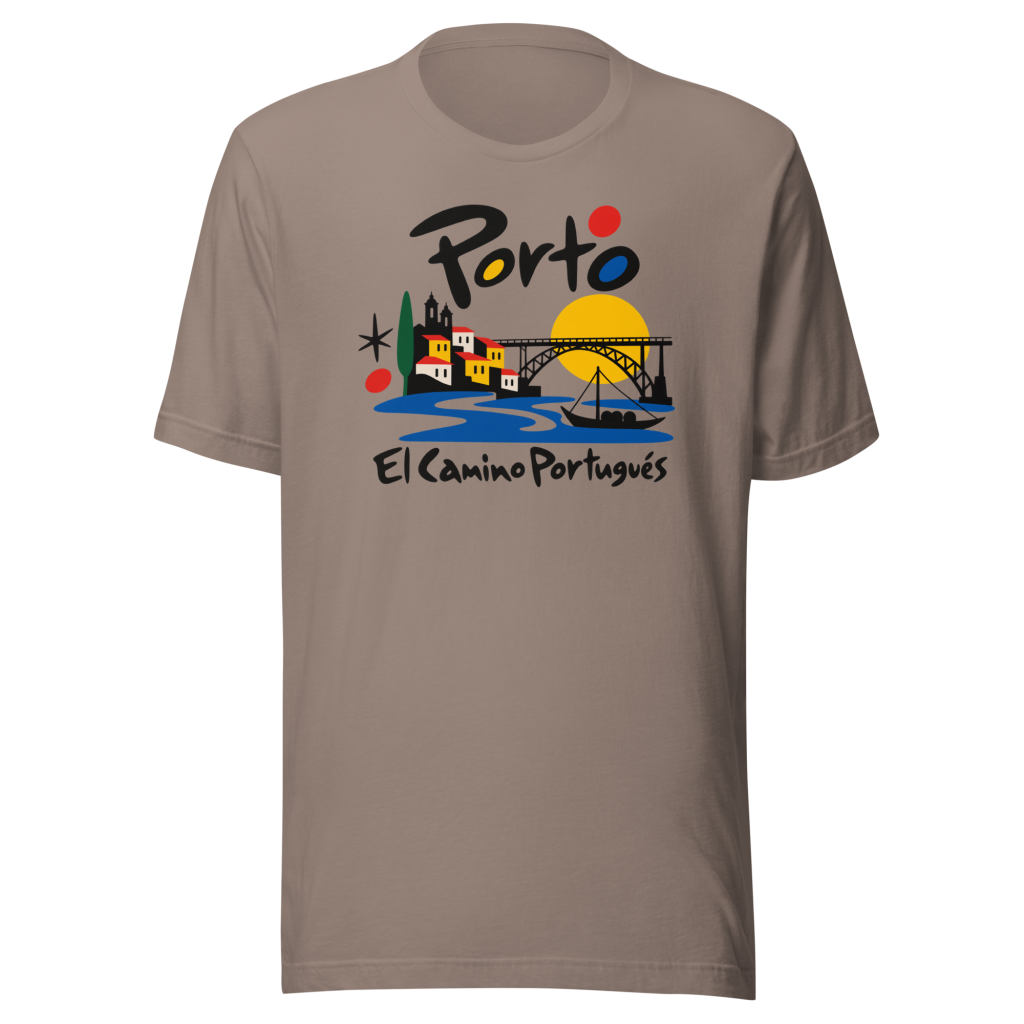
Porto | El Camino Portugués | Camino de Santiago Shirt
Bundle OfferGet 2 or more T-shirts @ €22.50Original price was: €28.99.€24.99Current price is: €24.99. (incl. VAT) -
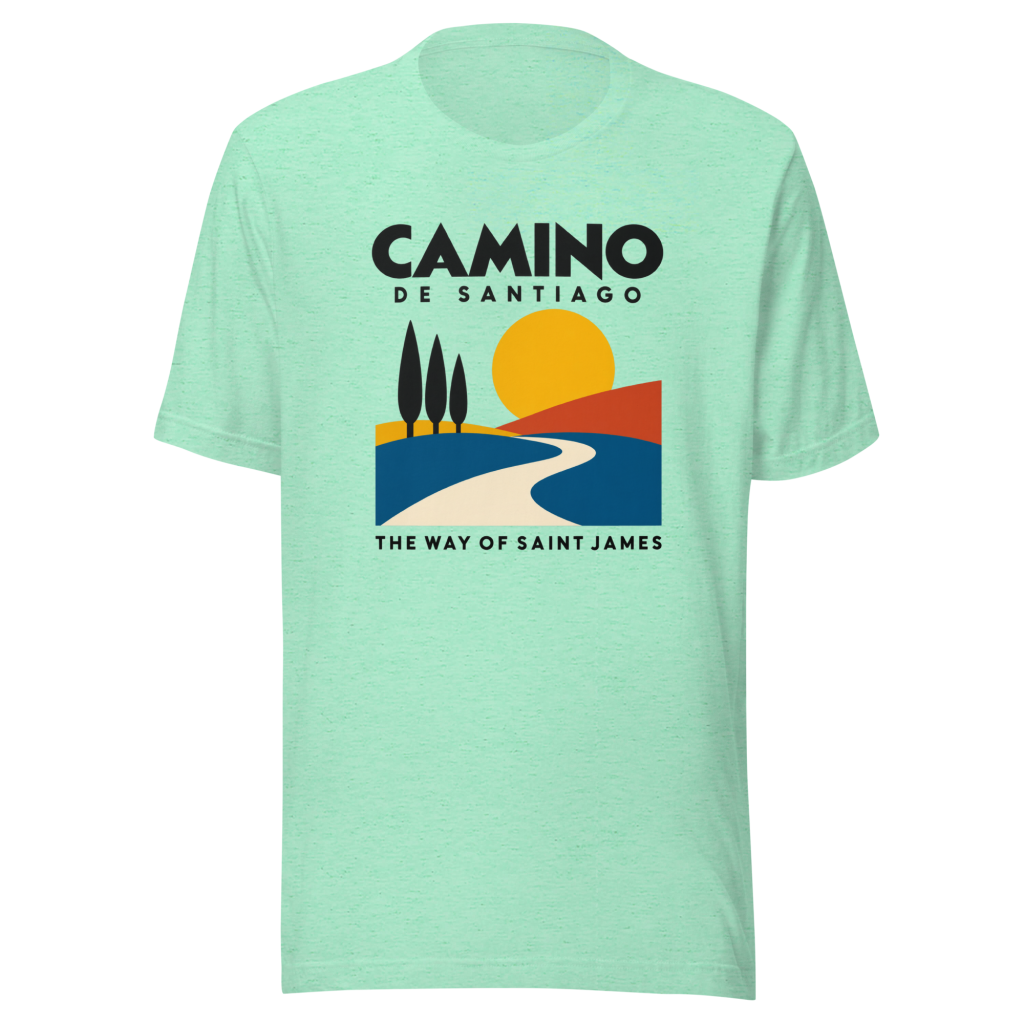
Camino de Santiago | Santiago de Compostela | Bauhaus Design
Bundle OfferGet 2 or more T-shirts @ €22.50Original price was: €28.99.€24.99Current price is: €24.99. (incl. VAT) -
Camino de Santiago | St. James’ Way | Bauhaus Design
Bundle OfferGet 2 or more T-shirts @ €22.50Original price was: €28.99.€24.99Current price is: €24.99. (incl. VAT) -
Camino de Santiago Shirt | Peregrino | Bauhaus Design
Bundle OfferGet 2 or more T-shirts @ €22.50Original price was: €28.99.€24.99Current price is: €24.99. (incl. VAT) -
Camino de Santiago Shirt | Connections | Bauhaus Design
Bundle OfferGet 2 or more T-shirts @ €22.50Original price was: €28.99.€24.99Current price is: €24.99. (incl. VAT) -
Camino de Santiago | Buen Camino | Bauhaus Design
Bundle OfferGet 2 or more T-shirts @ €22.50Original price was: €28.99.€24.99Current price is: €24.99. (incl. VAT) -
Camino de Santiago Shirt | Funny Pilgrim Cat | One More Kilometre
Bundle OfferGet 2 or more T-shirts @ €22.50Original price was: €28.99.€24.99Current price is: €24.99. (incl. VAT) -
Camino de Santiago Hoodie | The Way | Santiago de Compostela
Bundle OfferAdd 1 T-shirt for €19.99Original price was: €49.99.€42.99Current price is: €42.99. (incl. VAT) -
Camino de Santiago T-Shirt | The Way | Santiago de Compostela
Bundle OfferGet 2 or more T-shirts @ €22.50Original price was: €28.99.€24.99Current price is: €24.99. (incl. VAT) -
Camino de Santiago Shirt | La Ruta del Norte | Vintage Badge
Bundle OfferGet 2 or more T-shirts @ €22.50Original price was: €28.99.€24.99Current price is: €24.99. (incl. VAT) -
Camino de Santiago Shirt | Camino Primitivo | Vintage Badge
Bundle OfferGet 2 or more T-shirts @ €22.50Original price was: €28.99.€24.99Current price is: €24.99. (incl. VAT)








Reaching the Cathedral in Santiago de Compostela, whether you survived the long haul south of Porto or the river mists of the Traslatio, the result is the same: a profound sense of completion. Buen Camino!
Leave a Reply